The Best High-Protein Foods, Ranked for Real Life
A practical, verified guide to the best high-protein foods for weight loss, from lean meat and fish to dairy, pulses and soya, ranked by protein per calorie with realistic per-serving figures.
By Tony Dalton · Updated
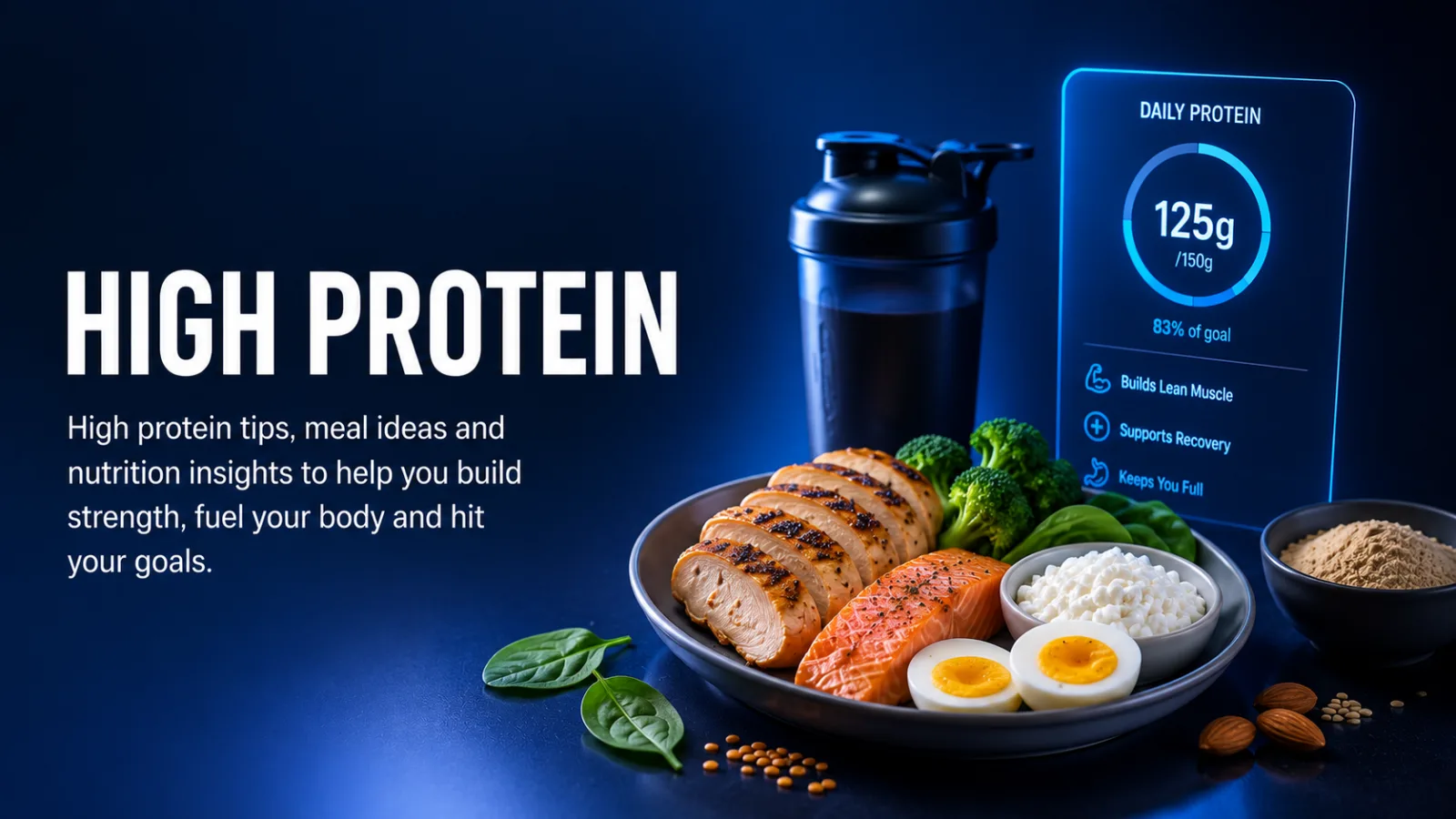
If you're trying to lose weight without feeling permanently hungry, protein is the lever that does the most quiet work. It keeps you fuller for longer, it protects the muscle you'd otherwise lose in a deficit, and gram for gram it's the macronutrient your body works hardest to digest. The trouble is that "eat more protein" is useless advice on its own. What you actually need is a shortlist of foods that deliver real protein, fit your budget, and don't require a degree in meal prep.
So here's that shortlist — grouped by type, with verified figures from nutrition databases like USDA FoodData Central and the UK's reference data, and ranked with an eye on what matters for weight loss: protein density, or how much protein you get per calorie.
Why protein earns its place in a deficit
Two reasons, mostly. First, satiety. Protein is the most filling macro, which is why a high-protein breakfast tends to take the edge off mid-morning snacking. Second, muscle. When you eat at a calorie deficit, your body can pull from muscle as well as fat — and protein, paired with some resistance work, tilts that balance toward keeping the muscle. We dug into how much you actually need in protein targets by bodyweight, and most people landed somewhere around 1.6–2.2 g per kg of bodyweight a day when actively losing.
One idea worth holding onto as you read the lists below: protein per calorie. A handful of almonds and a tin of tuna both give you protein, but the tuna gives you far more of it for the calories spent. In a deficit, where calories are the budget, that ratio is the thing to optimise. It doesn't mean nuts are bad — it means you spend your calories deliberately.
Lean meat and poultry
This is the dense end of the scale, and it's where most people anchor their meals. Figures are for cooked weight unless noted, because that's what ends up on your plate (raw figures look lower per 100 g largely because of water that cooks off).
- Chicken breast — around 31 g per 100 g cooked, for roughly 165 kcal. About as protein-dense as everyday food gets.
- Turkey breast — similar territory, broadly 29–30 g per 100 g cooked.
- Lean beef mince (5% fat) — about 20 g per 100 g as sold; closer to 26 g once cooked and drained. Choose the 5% over 20% and you cut a lot of calories without losing protein.
- Pork loin — around 27–31 g per 100 g cooked, depending on the cut and trim.
The thing to watch with meat isn't the protein — it's the fat that rides alongside it. A skinless chicken breast and a fatty sausage are not the same purchase, even if both say "meat" on the label.
Fish and seafood
Fish quietly competes with chicken on protein density, and oily fish throws in omega-3s for free.
- Tuna (canned in spring water, drained) — about 25 g per 100 g, for very few calories. The classic high-protein, low-cost, no-cooking option.
- Salmon (cooked) — around 25 g per 100 g. More calorie-dense than tuna thanks to its healthy fats, but excellent food.
- Prawns (cooked) — roughly 20–24 g per 100 g, and very lean.
- Cod or haddock (cooked) — around 23–26 g per 100 g; about as lean as protein gets.
A tin of tuna and a tub of cooked prawns are two of the most protein-efficient things you can keep in the cupboard and fridge for the days you can't be bothered to cook.
Eggs and dairy
Eggs are a brilliant whole-food protein, even if the per-100 g number looks modest because of their size.
- Eggs — about 12.6 g per 100 g, which works out to roughly 6 g of protein in a large egg. Two eggs is a respectable ~12 g for around 140 kcal.
Dairy is where a lot of easy wins live, especially the strained and cultured stuff. This is the group worth memorising:
- Cottage cheese — about 13.6 g per 100 g, and famously high in protein per calorie. An underrated weight-loss food.
- Skyr (Icelandic-style) — around 11 g per 100 g, fat-free, thick and filling.
- Greek and Greek-style yoghurt — typically around 9–10 g per 100 g for the strained 0% versions; lower for full-fat or "Greek-style" imitations, so check the label.
- Cheddar — about 25.8 g per 100 g, but it's calorie-dense, so it's a topping, not a base.
- Milk — about 3.4 g per 100 ml. Modest, but it adds up across a day.
A quick note on "high protein" labels
Supermarket "high protein" puddings and drinks can be useful, but they're not magic — many are simply normal dairy with a price markup. A plain tub of cottage cheese or 0% Greek yoghurt usually beats them on protein per pound and per calorie. Learning to read the back of the pack pays off here; we covered the tricks in reading nutrition labels.
Legumes, pulses and soya
Plant proteins win on fibre, cost and shelf life. Their per-100 g protein looks lower than meat partly because cooked pulses hold a lot of water — but they're cheap, filling, and the fibre helps with fullness in its own right.
- Lentils (cooked) — about 8–9 g per 100 g, plus a generous dose of fibre.
- Chickpeas (cooked) — roughly 7.5–9 g per 100 g.
- Black beans and kidney beans (cooked) — around 8–9 g per 100 g.
- Edamame (cooked soya beans) — about 11–12 g per 100 g, the protein standout of the bean world.
For the soya-based foods, the numbers climb again:
- Tempeh — around 20 g per 100 g, the densest plant protein on this list and pleasantly chewy.
- Firm tofu — roughly 10–17 g per 100 g depending on how firm and well-pressed it is; extra-firm and calcium-set blocks sit at the top of that range.
If you eat mostly or entirely plant-based, the move is to combine sources across the day so you cover all the amino acids — we go deeper into that in plant-based protein.
Nuts, seeds and higher-protein staples
Here's where protein density and calorie density part ways. Nuts and seeds do contain decent protein, but they carry a lot of calories with it, so they're best treated as a garnish rather than your main protein source.
- Peanuts — about 24 g per 100 g, roughly 7 g in a 30 g handful (but ~170 kcal).
- Almonds — about 21 g per 100 g, around 6 g in a 30 g serving.
- Pumpkin seeds — about 29 g per 100 g, one of the higher-protein seeds.
- Oats — roughly 11–13 g per 100 g dry, which makes porridge a genuinely useful protein-and-fibre breakfast base, especially stirred through with yoghurt or milk.
By calorie, none of these compete with chicken, fish or 0% dairy. But a spoon of seeds on a salad or a scattering of nuts in your porridge adds protein, texture and staying power — just keep portions honest, because they're easy to over-pour.
Where do shakes and bars fit?
Honest answer: at the back. A protein shake is convenient and there's nothing wrong with one when you're stuck, and bars can rescue a long, mealless afternoon. But whole foods bring fibre, micronutrients and the simple act of chewing — all of which help you actually feel fed. Relying on bars and shakes to hit your target tends to leave you hungry an hour later and lighter in the wallet. Use them as backup, not the foundation.
It also pays to spread protein across the day rather than backloading it all at dinner; there's evidence that even distribution helps with muscle retention, which we unpack in protein timing and distribution.
Building it into a normal day
You don't need every food on this list — you need three or four reliable anchors you'll actually buy and eat. A workable pattern for most people:
- Breakfast: eggs, or porridge with 0% Greek yoghurt or skyr stirred in.
- Lunch: a tin of tuna, leftover chicken, or a lentil-and-bean base.
- Dinner: a palm-sized portion of lean meat, fish, tofu or tempeh.
- Snacks: cottage cheese, a small handful of nuts, or edamame.
Hit those and you're most of the way to a sensible target without counting every gram. If you're using a GLP-1 medication, protein matters even more, because the appetite suppression makes it easy to undereat protein specifically — we wrote about that in high protein on GLP-1. And if tracking food feels like a chore that you'll abandon by Friday, our take on a lighter approach is in calorie counting without burnout.
Frequently asked questions
Which food has the most protein per calorie?
For everyday foods, the leaders are lean white fish (cod, haddock), tuna in water, skinless chicken or turkey breast, prawns, and low-fat dairy like cottage cheese and 0% Greek yoghurt. These give you the most protein for the fewest calories, which is exactly what you want in a deficit. Egg whites are technically even higher per calorie, but you lose the nutrients in the yolk.
Are plant proteins as good as meat for weight loss?
For weight loss, yes — and the fibre in beans, lentils and soya is a real bonus for fullness. The main caveat is that most individual plant foods are lower in protein per 100 g and missing one or more amino acids, so you want to eat a variety across the day. Tempeh, tofu and edamame are the densest options if you're leaning plant-based.
How much protein do I actually need to lose weight?
When actively losing, most research points to roughly 1.6–2.2 g of protein per kg of bodyweight per day to protect muscle. For a 70 kg person that's about 112–154 g a day. There's no benefit to wildly exceeding it. See protein targets by bodyweight for how to set your own number.
Is cooked or raw protein the figure I should trust?
Cooked, because that's what you eat. Cooked meat and fish show higher protein per 100 g than raw simply because water evaporates during cooking and concentrates the protein. If a label gives a raw weight, the cooked plate will be a bit smaller and a bit more protein-dense.
Do I need protein shakes?
No. They're a convenience, not a requirement. Whole foods cover everything a shake does and bring fibre and micronutrients on top. Keep a shake or two around for genuinely busy days, but build your intake on real meals.
Where WeightLytic fits in
Knowing the best high-protein foods is one thing; remembering to log them is another. WeightLytic makes that part painless — AI food tracking that estimates protein and calories from a photo, so hitting a daily protein target is less arithmetic and more habit. We keep it honest and do not make accuracy claims we can't stand behind.
If that sounds useful, WeightLytic is free to download on the App Store or Google Play, or take a look at the features.
Sources & references
- USDA FoodData Central — protein values for chicken, beef, fish, eggs, pulses, tofu, tempeh, nuts and seeds (per 100 g).
- Arla UK — Protein in common foods — eggs, cottage cheese, skyr, cheddar, milk and yoghurt figures.
- Eufic — Which pulses are high in protein — cooked lentil, chickpea and bean protein values.
- NHS — Eat well — general guidance on protein foods and a balanced diet.
Related articles
Track your weight loss with WeightLytic.
AI forecasting, GLP-1 companion, and protein tracking — all in one app. Free on iPhone and Android.